Water Proofing services
Water Proofing services in Annapolis that keep your basement dry
Water Proofing services in Annapolis, MD means sealing the entry points where groundwater, roof leaks, and summer humidity feed mold growth in your crawl space or basement. We serve homeowners across Anne Arundel County, from the Historic District to Downtown Annapolis. If your dehumidifier runs nonstop or you smell something musty after a storm, the water problem is still active. We find it, fix it, and dry the structure.
Service overview
What Water Proofing services in Annapolis actually involve
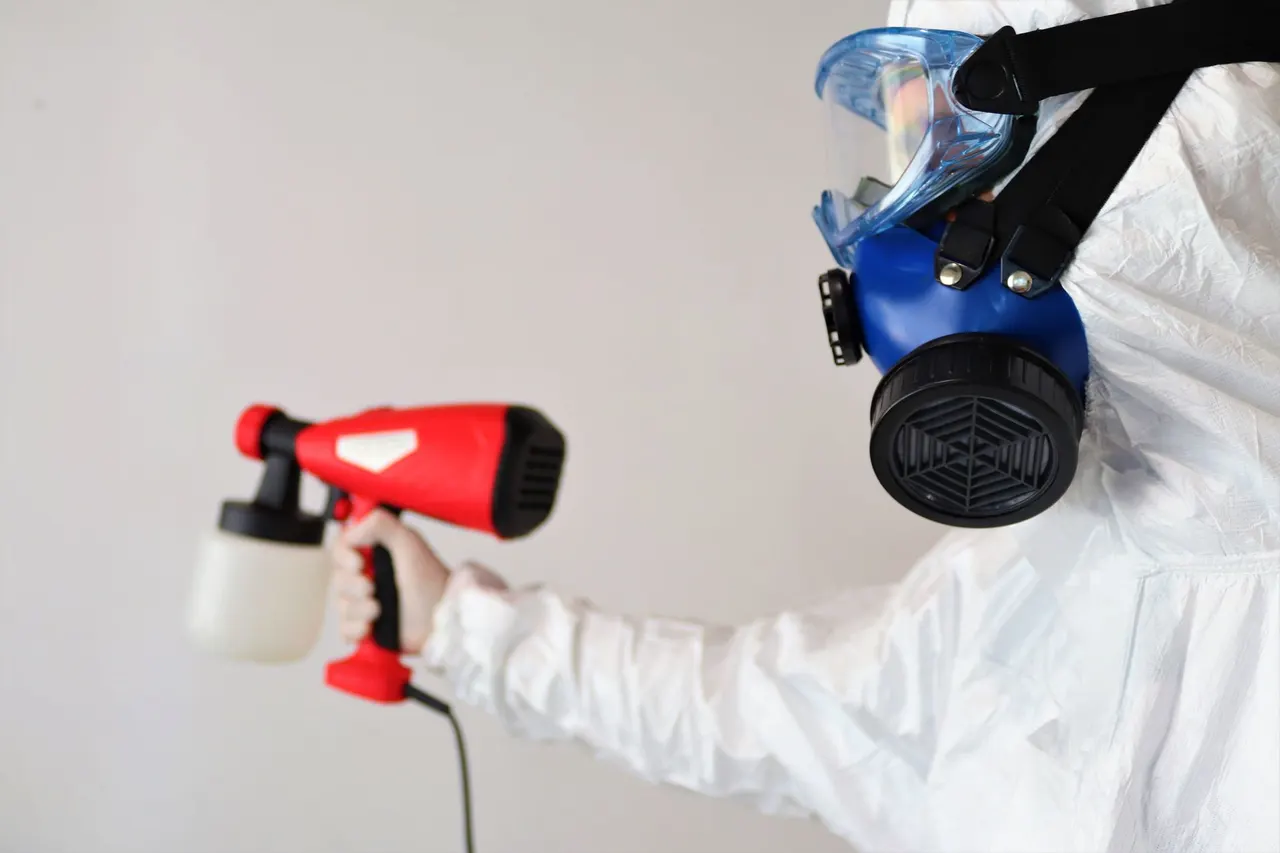
Water Proofing services in Annapolis is a building-envelope service that stops liquid water and vapor from entering a crawl space, basement, or attic, then dries and seals the surfaces mold grows on. We start with a moisture meter and a thermal imaging camera to map where water is actually getting in, not where it looks wet. From there we address grading, foundation cracks, vapor barrier coverage, and drainage. Only after the water source is controlled do we treat organic growth with an antimicrobial spray and install a proper vapor barrier.
Annapolis sits on tidal water and heavy clay soil, so crawl space mold from groundwater and basement flooding mold after nor'easters are two of our most common calls. Homes near the water deal with a water table that rises in spring and stays high through fall. If you have been searching for crawl space waterproofing near me in Annapolis, the fix is the same whether you are in 21401 or 21403: stop the water, dry the space, seal it, and verify with a moisture meter before we close up.
Practical benefits
Why Annapolis homeowners waterproof before mold returns
Mold needs water. Remove the water and you remove the condition mold needs to grow. These are the outcomes our Annapolis customers see after we finish a waterproofing job.
Stops mold before it starts
Mold spores are already in every home. They only colonize when relative humidity stays above 60% or a surface stays wet for 24 to 48 hours. Sealing the water source and installing a vapor barrier keeps crawl space humidity under 50%, which is below the threshold mold needs. That is the whole point of waterproofing first.
Lowers summer humidity
Annapolis summers push dew points into the 70s, and a vented crawl space pulls that moist air straight into your floor system. A sealed vapor barrier and a properly sized dehumidifier hold the space at 45% to 50% relative humidity. Your floors feel less damp and your air conditioner stops fighting the crawl space.
Protects the structure
Standing water rots rim joists, sill plates, and subfloor sheathing. Wood that stays above 20% moisture content starts to decay within months. Waterproofing keeps framing dry, which protects the structural lumber your house actually sits on. It is cheaper than replacing a floor system.
Cuts musty odors
That musty smell in summer is microbial volatile compounds off-gassing from damp organic material. It is not a fragrance problem, it is a moisture problem. Once we dry the space and seal it, the odor goes away because the source is gone. Air scrubbers with HEPA filters clear the residual spores during the job.
How service works
Our waterproofing process, step by step
Every job follows the same sequence: find the water, stop the water, dry the space, seal it, and verify it. Here is what you actually see when we work in your home.
STEP 01
Inspection and moisture mapping
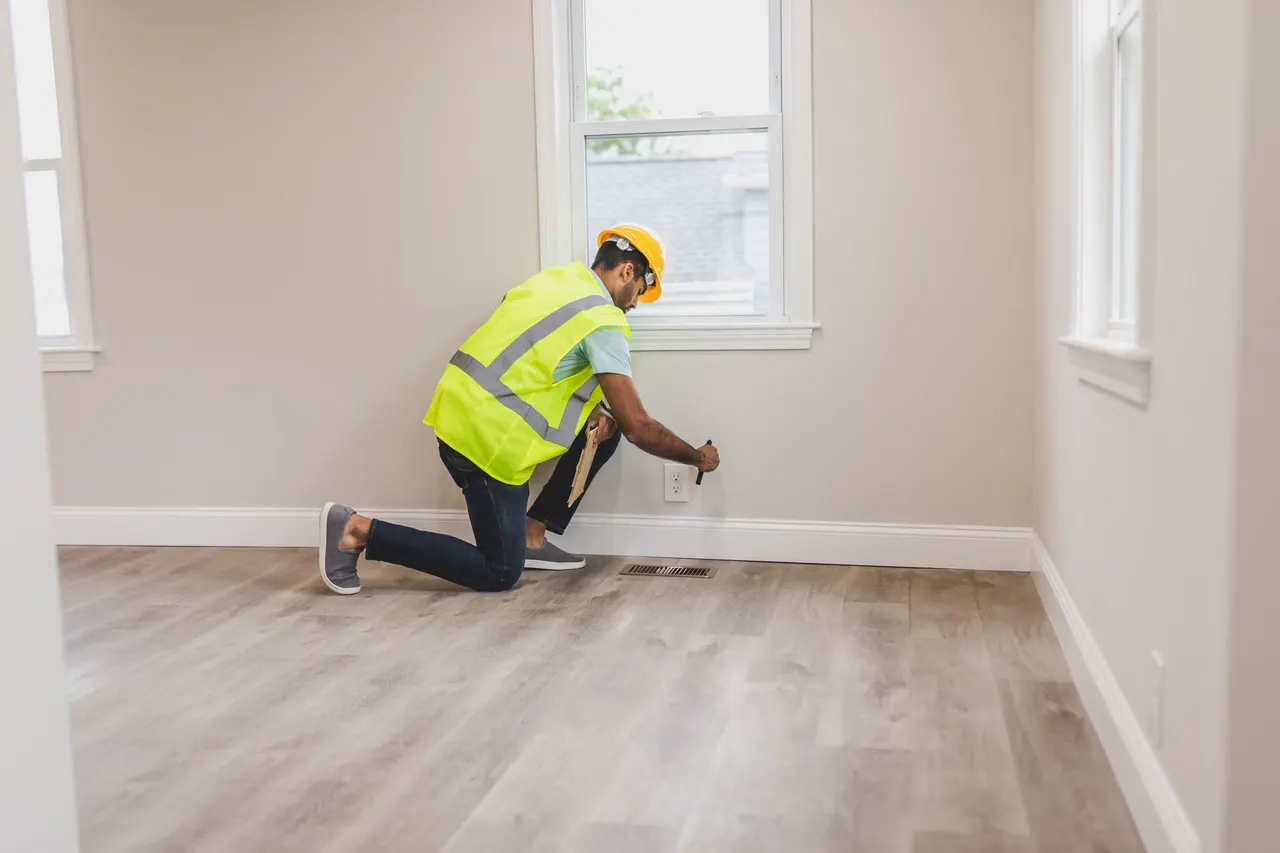
We walk the crawl space or basement with a moisture meter and a thermal imaging camera, and we run a boroscope inspection camera into wall cavities where we suspect hidden water. We check the rim joist, sill plate, and any insulation for saturation. This takes 45 to 90 minutes and tells us exactly where the water is entering. You get a written scope with photos before we start.
Tools and methods
Tools and methods we use
Moisture meter
Reads moisture content in framing, drywall, and subfloor. We use it to find hidden saturation and to verify the space is dry before we close out a job. Target is under 16% in framing.
Thermal imaging camera
Shows temperature differences that reveal hidden water behind walls and under floors. It finds the leak path a visual inspection misses, especially in older Annapolis homes with plaster and stone.
Boroscope inspection camera
Slides into wall cavities and ceiling voids to inspect areas we cannot see directly. We use it to confirm roof leak paths and check rim joists for hidden growth before we commit to a scope.
Negative air machine and air scrubber
Creates negative pressure inside containment and filters airborne spores through HEPA filters. Keeps mold from migrating into your living space during remediation and drying.
Dri-Eaz and Phoenix Restoration Equipment dehumidifiers
Pulls moisture out of framing and air at a rate consumer units cannot match. We run them until moisture content drops below 16% and relative humidity holds under 50%.
Fiberlock and Concrobium products
Antimicrobial spray and mold remediation encapsulant applied to affected surfaces. Fiberlock and Concrobium are the products we spec for crawl space and attic work where long-term sealing matters.
ANSI/IICRC S520 Standard
The industry standard for mold remediation that governs containment, removal, and verification. We follow it on every job, which is why our scope and documentation hold up if you ever need to show them to an insurer or a buyer's inspector.
Containment-first remediation
We set plastic sheeting containment and negative air pressure before we disturb any moldy material. This keeps spores out of your living space. It adds time to the job but it is the difference between remediation and spreading the problem.
Water source correction before sealing
We fix grading, drainage, foundation cracks, and roof leak paths before we install a vapor barrier. Sealing over an active leak traps moisture and causes rot. This sequence is non-negotiable on our jobs.
Instrument-verified drying
We do not call a space dry because it looks dry. Moisture meter and thermal imaging readings are documented at the end of every job. You get the numbers, and we keep a copy in your file for future reference.
Where this service fits
When to call for Water Proofing services
Your dehumidifier in the crawl space runs nonstop from April through October and the tank fills every day.
That is a sign the space is pulling moisture faster than the dehumidifier can remove it, which usually means an unsealed floor or a foundation leak. We inspect with a moisture meter and thermal imaging camera, then install a sealed vapor barrier and correct the water source. The dehumidifier cycles normally instead of running continuously, and crawl space humidity holds at 45% to 50% without constant attention.
You found black mold growth after water damage from a burst pipe or a sump failure in the basement.
We set plastic sheeting containment, run a negative air machine with HEPA filters, remove affected drywall and insulation, and treat framing with antimicrobial spray. Once the space is dry and verified, we waterproof the entry path so it does not repeat. The mold is removed, the space is dry, and the water path is sealed. You get documented moisture readings at the end of the job.
Your Historic District home has a dirt-floor crawl space and you smell musty odors in summer.
Dirt floors release ground moisture straight into the crawl space air. We install a reinforced vapor barrier across the floor and up the walls, seal the seams, and correct any foundation cracks we find. Older stone foundations often need targeted sealing at mortar joints. The musty odor goes away, the floor system stays dry, and the crawl space is sealed against the summer humidity that feeds mold.
You are buying a home in 21401 or 21403 and the inspection flagged moisture in the crawl space.
We inspect before you close, document the water source with photos and meter readings, and give you a written scope with pricing. If the seller is willing to credit, you have a real number to negotiate with instead of a vague estimate. You know exactly what the waterproofing will cost and what it involves before you take ownership, not after.
Local execution
How waterproofing works in Annapolis specifically
Annapolis sits on tidal water and heavy clay soil, and that combination drives most of the waterproofing work we do. Clay does not drain. Water pools against foundations instead of percolating away, which is why crawl space mold from groundwater is our most common call in Anne Arundel County. Spring brings a rising water table that stays high into fall, and summer dew points in the 70s push humid air into every vented crawl space in the city. Winter adds freeze-thaw cycles that open foundation cracks a little wider each year. Building stock matters too. Downtown Annapolis and the Historic District have homes from the 1800s and early 1900s with stone foundations, dirt crawl spaces, and original mortar joints that need targeted sealing rather than a generic kit. Newer construction in 21401 and 21403 often has the opposite problem: tight vapor barriers installed without addressing drainage, which traps water against the foundation. If you have been searching for basement waterproofing near me in Annapolis, MD, the fix depends on which of those two situations you are in. We inspect first, then spec the job to the house.
Historic District
Stone foundations and dirt crawl spaces from the 1800s and early 1900s. Mortar joints need repointing and targeted sealing rather than a standard vapor barrier kit. We work carefully around historic fabric.
Downtown Annapolis
Mixed housing stock with tight lots and limited drainage away from foundations. Downspout extensions and grading corrections often matter more here than in newer subdivisions with larger setbacks.
Eastport
Close to the water with a high water table. Sump pumps and sealed vapor barriers are standard on most waterproofing scopes here, and we check the sump discharge path before we install.
Annapolis Roads
Larger lots but still tidal-influenced soil. Crawl spaces here tend to be deeper, which means more vapor barrier square footage and a larger dehumidifier spec to hold humidity down.
Heavy clay soil that does not drain
Water pools against foundations instead of percolating away. Grading corrections and downspout extensions become mandatory, not optional, on most Annapolis waterproofing jobs.
High tidal water table in spring and fall
Groundwater rises close to crawl space floors. Sump pumps and sealed vapor barriers are often required to keep the space dry through the wet season.
Summer dew points in the 70s
Vented crawl spaces pull humid air in and hold it against cool framing. Sealing the space and running a sized dehumidifier is the only way to hold humidity under 50%.
Freeze-thaw cycles in winter
Foundation cracks open wider each season. We seal existing cracks and check for new ones at every inspection, because a hairline crack becomes a water path fast.
Problems we solve
Water problems we solve in Annapolis homes
Most Annapolis waterproofing calls come down to one of four water paths: groundwater, roof leaks, humidity, or drainage. We identify which one is feeding your mold problem and fix that path.
Crawl space mold from groundwater wicking through the foundation
We seal foundation cracks and penetrations, correct exterior grading, install a sealed vapor barrier, and add a sump if the water table is high. We verify with a moisture meter before closing out. This is the most common waterproofing scope we run in Anne Arundel County. Framing stays above 20% moisture content, rot starts in rim joists and sill plates, and musty odors move into the living space above. Left alone, it can compromise the floor system.
Basement flooding mold after storms and nor'easters
We extract standing water, set containment, dry the framing with Dri-Eaz and Phoenix Restoration Equipment dehumidifiers, remove affected drywall and insulation, and treat surfaces with antimicrobial spray. Then we correct the entry path so the next storm does not repeat it. Standing water wicks into drywall and insulation within hours. Mold can colonize in 24 to 48 hours. Homeowners often find the problem only after the smell starts, which means growth is already active.
Attic mold from humidity and poor ventilation
We inspect with a boroscope inspection camera, remove affected insulation, treat framing with mold remediation encapsulant, and correct ventilation so the attic stays dry. If a roof leak is the source, we identify the path and address it before remediation. Attic mold from humidity spreads across roof sheathing and trusses, and roof leak mold hides behind insulation. Both degrade the roof structure and can void shingle warranties if left unaddressed.
Musty odors in summer from high crawl space humidity
We seal the crawl space with a vapor barrier, install a properly sized dehumidifier, and hold the space at 45% to 50% relative humidity. The odor goes away because the moisture source is gone. We show you the humidistat readings at handoff. Relative humidity above 60% in a vented crawl space feeds mold growth all summer. The odor is a symptom, not the problem. Masking it with fragrance does nothing to stop the growth underneath.
A practical standard for every visit.
Clear planningPrepared arrivalsCareful workLocal follow-through
Experience in the details
11 years waterproofing Anne Arundel County homes
Mold Remediation Repair Pros has been waterproofing and remediating Annapolis-area homes since 2015. That is 11 years of working in the same clay soil, the same tidal water table, and the same 1940s-to-1970s crawl space construction you will find from Downtown Annapolis to the Historic District. Our technicians hold IICRC Mold Remediation Certification and follow the ANSI/IICRC S520 Standard on every job. We hold a Maryland Home Improvement Commission License (MHIC) and carry EPA Lead-Safe Certification for pre-1978 homes, which covers a large share of Annapolis housing stock. We are licensed, insured, and bonded in Maryland.
Where we work
One local team. A lot of ground covered.
Most crawl space waterproofing jobs in Annapolis run $1,800 to $6,500 in 2026, depending on square footage, whether a sump pump is needed, and how much mold remediation is bundled in. A basic vapor barrier and sealing job on a 600-square-foot crawl space typically lands near the low end. Full encapsulation with drainage correction and dehumidifier install runs higher. We give you a written scope with line-item pricing before any work starts.
The waterproofing and sealing work takes 1 to 3 days on most Annapolis homes. If we are also drying wet framing, add 2 to 4 days for the dehumidifiers to bring moisture content down before we seal. We do not seal over wet wood, because trapping moisture under a vapor barrier causes more rot than leaving it open. Total project time from inspection to final verification is usually under a week.
Yes, if water is still entering. A dehumidifier manages humidity in the air, but it cannot stop groundwater from wicking through a foundation wall or pooling on a dirt floor. Running a dehumidifier over an unsealed crawl space is like running your AC with the windows open. We seal the water out first, then size the dehumidifier to hold the space at 45% to 50% relative humidity.
It stops the condition mold needs to grow, which is the only permanent fix. Mold requires moisture above 60% relative humidity or a wet surface for 24 to 48 hours. Once we correct the water source, dry the framing, and install a sealed vapor barrier, that condition no longer exists. We verify with a moisture meter at the end of the job and show you the readings so you know the space is actually dry.
Keep exploring
Related Services
Your next step is waiting
Get Water Proofing services in Annapolis before the next storm
We are licensed, insured, and bonded in Maryland, and we have been waterproofing Annapolis homes since 2015. Same-day estimates, no charge. Call now and we will schedule your crawl space or basement inspection.
Start with the basics
Contact Our Annapolis Mold Team
Give us a call or send an email and we'll get back to you fast. We answer the phone 24/7 for emergencies and schedule free estimates within 24 hours for non-urgent work. If you're in ZIP code 21401, 21403, 21404, or 21411, we're already in your area.