
Mold Inspection and Assessment
Mold inspection Annapolis MD that finds the source, not just the stain
If you have smelled that damp, musty odor in your basement or watched a dark stain creep across an attic rafter, you need a mold inspection Annapolis MD homeowners actually trust. We map moisture, test the air, and tell you exactly where the problem starts. Our mold assessment Annapolis MD service covers homes from Downtown to the Historic District, and we hand you a written report you can act on the same week.
Service overview
What a mold inspection Annapolis MD really covers
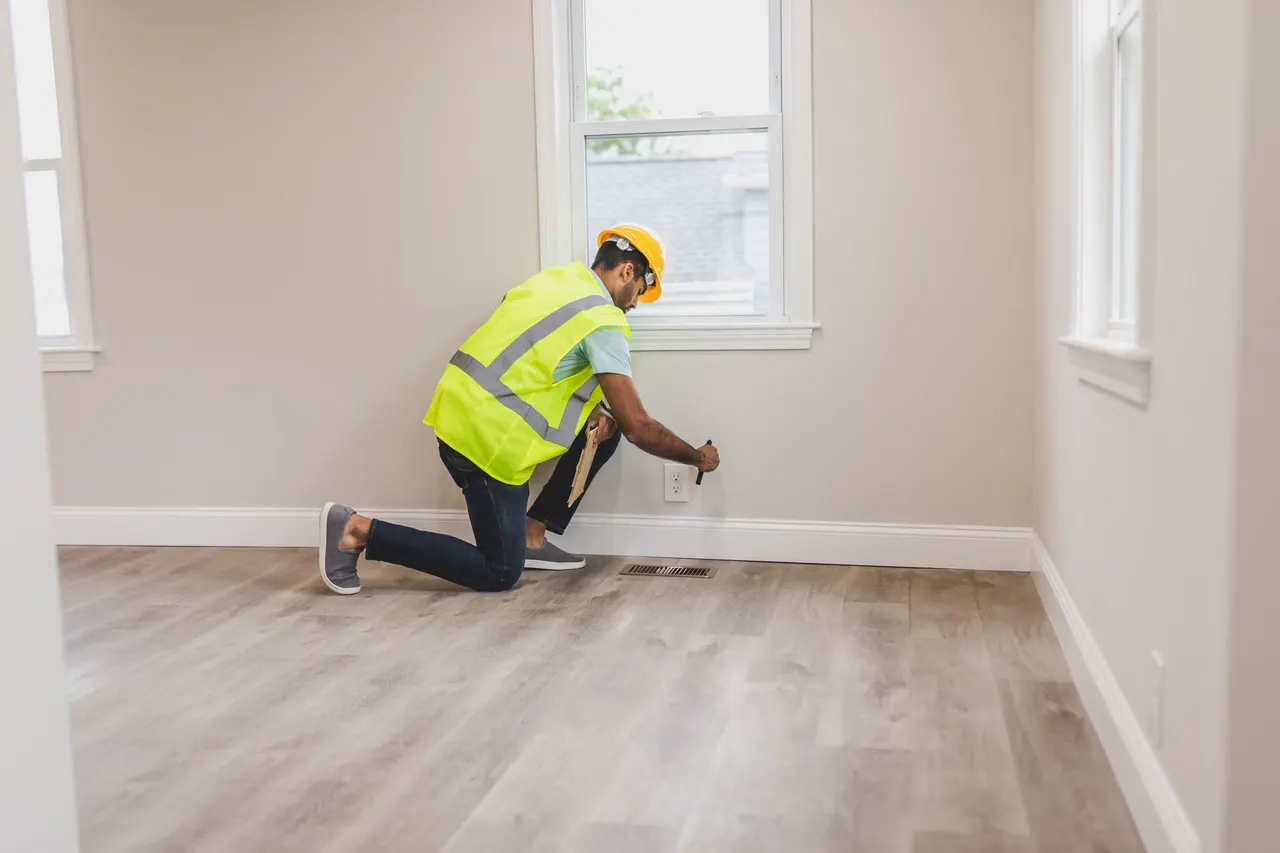
A mold inspection Annapolis MD is a non-invasive, room-by-room evaluation of your home's moisture profile, airflow, and visible microbial growth. We walk the property with a moisture meter and a thermal imaging camera, checking every wall cavity, rim joist, and supply register where condensation hides. We take air samples with a calibrated pump and surface swabs where growth is visible, then send everything to an accredited lab. You get a written report with photos, lab results, and a clear scope of what needs to come out and why.
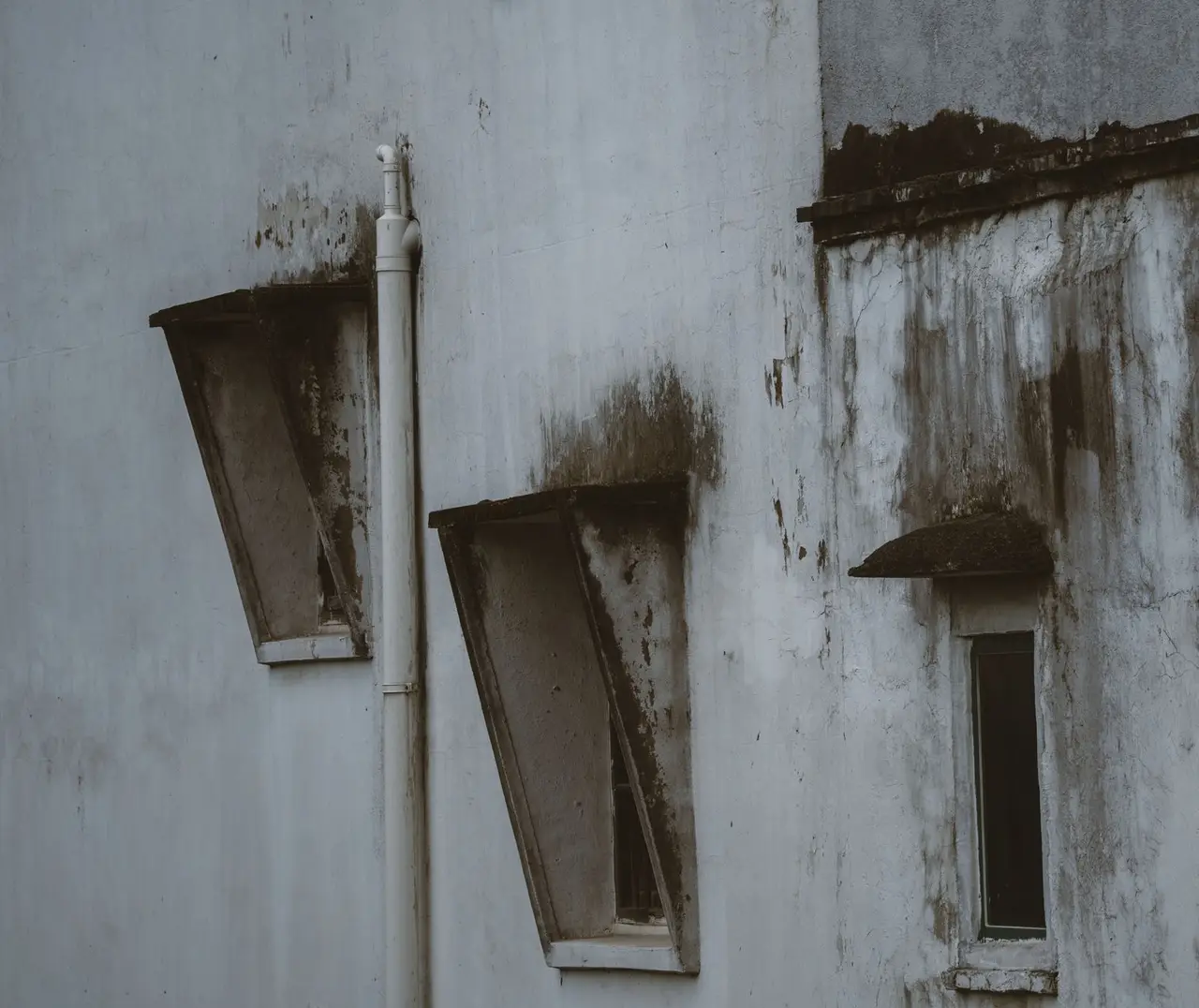
Annapolis sits on tidal water, and that changes everything. Chesapeake humidity pushes indoor relative humidity past 60% most of the summer, and 200-year-old homes near the City Dock have no modern vapor barrier under the crawl space. We see attic mold from humidity, crawl space mold from groundwater, and black mold growth after water damage from a failed sump pump. If you have been searching for a home mold inspection near me Annapolis, this is the call that stops the guesswork.
Practical benefits
Why homeowners book our mold assessment
A proper assessment saves you money twice: it stops you from tearing out drywall that is fine, and it stops you from painting over growth that will come back in 90 days. Here is what you actually get.
Find the source fast
We trace moisture back to the entry point, not just the visible stain. That might be a roof leak mold problem above a second-floor ceiling, a failed HVAC condensate line, or groundwater wicking up through a brick foundation. Fix the source and the mold stops returning.
Lab-backed documentation
Air samples and surface swabs go to an accredited lab, and you get the species and spore counts in writing. That report is what your insurance adjuster, your real estate agent, or your contractor needs before anyone swings a hammer.
No unnecessary demolition
A boroscope inspection camera lets us look inside a wall cavity without cutting it open. We have walked into plenty of Annapolis homes where a previous contractor quoted full drywall removal and found the growth was surface-level and cleanable.
Clear next-step scope
If remediation is needed, you get a written scope that follows the ANSI/IICRC S520 Standard, so any licensed mold inspector Downtown Annapolis MD or anywhere in the county can bid the same job apples to apples.
How service works
How our mold assessment in Annapolis runs
Five steps, one visit for most homes, and a written report within 24 to 48 hours of sampling. Here is exactly what happens from the moment we pull into your driveway.
STEP 01
Phone intake
We ask about the smell, the visible growth, and any water event in the last 12 months. That call takes 10 minutes and tells us whether to bring the full sampling kit or start with a visual walk-through. Same-day mold assessment in Annapolis Maryland slots are usually available before 2 p.m.
Tools and methods
Tools and methods we use on every assessment
Moisture meter
Pin and pinless readings on drywall, framing, and subfloor to find elevated moisture content before growth becomes visible. We log every reading in the report.
Thermal imaging camera
Infrared scanning of walls, ceilings, and floors to detect temperature deltas that signal trapped water or missing insulation behind finished surfaces.
Boroscope inspection camera
A 3/8-inch scope that lets us see inside wall cavities and behind baseboards without cutting drywall open. Saves demolition on most assessments.
Calibrated air sampling pump
Draws a known volume of air through a spore trap cassette so the lab can report spores per cubic meter and compare indoor levels to outdoor baseline.
Dri-Eaz and Phoenix Restoration Equipment dehumidifiers
Commercial-grade LGR dehumidifiers we use during drying verification and post-remediation. Sized to the cubic footage of the affected space.
HEPA vacuum and air scrubber
HEPA filtration removes spores down to 0.3 microns. We use these during any assessment that disturbs contaminated material and during post-remediation verification.
ANSI/IICRC S520 Standard
The industry standard for mold remediation that governs how we assess, contain, and verify. Every scope we write follows it, which means any licensed contractor can bid the same job and you can compare apples to apples.
Moisture mapping
We grid the affected area and log moisture readings at every point, then repeat the readings after any drying or remediation. The before-and-after numbers are what prove the work actually solved the problem.
Indoor vs. outdoor air comparison
Air sampling only means something when you have a baseline. We always take an outdoor control sample on the same day so the lab can tell you whether indoor spore counts are actually elevated or just reflecting normal seasonal levels.
Post-remediation verification
Clearance sampling after remediation confirms that spore counts have returned to normal. We follow the same protocol whether we did the remediation or another contractor did, so the verification is independent.
Where this service fits
When to book a mold assessment in Annapolis
You are buying a home and the general inspection flagged a musty smell or a past water stain.
We run a full assessment with air sampling and thermal imaging before your inspection contingency expires. The written report tells you whether the issue is cosmetic or structural, and it gives you a number to negotiate with. You close with confidence or you walk away with documented proof of a problem the seller needs to fix.
A pipe burst or the sump pump failed and the basement flooded while you were at work.
We assess within 24 hours of the water event, document the moisture profile, and tell you whether the space dried fast enough to avoid growth. If growth has started, we scope the remediation the same week. You catch the problem inside the 48-hour window and avoid a full remediation, or you get it handled before it spreads.
Your family has been getting headaches, sinus infections, or allergy symptoms that get worse at home.
We take air samples in every bedroom and living space, compare them to an outdoor baseline, and identify the species and spore counts. The report tells you whether the indoor air is actually elevated and where the source is. You get a documented answer instead of guessing, and a clear plan to fix the air quality in your home.
You had remediation done by another company and want to verify the work was done correctly.
We run post-remediation verification sampling following the ANSI/IICRC S520 Standard, including clearance air samples inside the containment area and in adjacent rooms. We document whether spore counts have returned to normal baseline levels. You get independent verification, which matters if you need to hold a contractor accountable or satisfy a lender.
Local execution
How mold inspection Annapolis MD works in this climate
Annapolis is a tidal town, and the buildings here reflect it. Relative humidity sits above 60% for most of the summer, and the Chesapeake Bay keeps the air damp well into October. Homes in the Historic District were built before air conditioning, and many have brick foundations with no modern vapor barrier. That combination produces crawl space mold from groundwater and attic mold from humidity on a predictable seasonal cycle. We also see a spike in calls after every heavy rain event, when roof leak mold shows up on second-floor ceilings and HVAC condensation mold appears around air handlers in unconditioned attics. Our inspectors know which streets flood, which neighborhoods have failing French drains, and which building styles are prone to specific problems. If you need a licensed mold inspector Downtown Annapolis MD or anywhere in Anne Arundel County, we can usually be on site the same day you call.
Historic District
Pre-1900 brick construction with no vapor barrier and limited crawl space access. We use a boroscope and thermal camera here more than anywhere else because cutting into historic plaster is not an option.
Eastport
Tidal proximity means seasonal groundwater rise. Crawl spaces here flood most springs, and we see vapor barrier failures on a regular basis. Dehumidifier sizing matters more here than in inland neighborhoods.
West Annapolis
Mix of post-war ranches and newer construction. Attic ventilation is the recurring issue, especially on homes where soffit vents were blocked during a roof replacement or insulation upgrade.
Downtown Annapolis
Dense building stock with shared walls and limited exterior drainage. HVAC condensation mold around air handlers is common, particularly on upper floors of converted rowhouses.
Chesapeake Bay humidity above 60% from June through September
Indoor relative humidity climbs without mechanical dehumidification, which feeds attic mold from humidity and keeps crawl spaces wet. We size dehumidifiers to the cubic footage and verify performance with a moisture meter on follow-up.
Seasonal groundwater rise in low-lying neighborhoods
Crawl space mold from groundwater spikes every spring. We assess the extent, document with photos and moisture readings, and scope a vapor barrier plus drainage correction so the problem does not return the following season.
Pre-1978 housing stock throughout the Historic District
Any remediation work in these homes requires EPA Lead-Safe Certification and lead-safe work practices. Our crews carry the certification and follow the protocol on every job in pre-1978 housing.
Heavy summer storm events and roof leaks
Roof leak mold shows up on ceilings and in attic decking within two weeks of a major storm. We assess quickly after storm events to catch growth before it spreads through the roof structure.
Problems we solve
Mold problems we solve for Annapolis homeowners
Most of the calls we get start the same way: a smell, a stain, or a water event the homeowner hoped would dry out on its own. Here are the four problems we see most often in Anne Arundel County.
Musty odors in summer that never go away
We run air samples in every room and compare them to outdoor baseline. If indoor spore counts are elevated, we trace the moisture source with thermal imaging and a moisture meter until we find the actual entry point, not just the visible growth. Persistent musty odors usually mean active growth somewhere you cannot see, and every summer the spore load climbs higher. By the third season, the smell is in the drywall and the furniture.
Black mold growth after water damage
Our assessment identifies the species and the extent of colonization. If it is Stachybotrys or another toxigenic species, we scope the remediation under the ANSI/IICRC S520 Standard with full containment, negative air, and HEPA filtration. Water damage that is not dried within 48 hours almost always grows mold. Black mold growth after water damage can spread through a wall cavity in under two weeks, and the species involved often produce mycotoxins.
Crawl space mold from groundwater
We assess the crawl space with a moisture meter and thermal camera, document the extent of growth, and scope a full remediation with vapor barrier installation and a properly sized dehumidifier to keep the space under 50% relative humidity. Annapolis sits on tidal water, and crawl spaces here flood seasonally. Wet insulation and moldy joists compromise the structural framing and push damp air up into the living space through every gap in the subfloor.
Attic mold from humidity and poor ventilation
We inspect the attic decking, measure relative humidity, and check soffit and ridge ventilation. The report tells you whether you need remediation, ventilation correction, or both, and it includes post-remediation verification sampling. Attic mold from humidity is the most common finding in Annapolis homes with blocked soffit vents. The growth spreads across the roof decking, and by the time it is visible from the hatch, it has usually been growing for a full season.
A practical standard for every visit.
Clear planningPrepared arrivalsCareful workLocal follow-through
Experience in the details
11 years reading Annapolis moisture problems
Mold Remediation Repair Pros has been inspecting and assessing mold in Anne Arundel County since 2015. That is 11 years of crawl spaces, attic decks, and basement walls, and it has taught us that Annapolis buildings fail in very specific ways. Our inspectors hold IICRC Mold Remediation Certification and follow the ANSI/IICRC S520 Standard on every job. We carry EPA Lead-Safe Certification because half the homes we walk into were built before 1978, and we run OSHA 30-Hour Construction training so our crews know what personal protective equipment is required before anyone enters a contaminated space.
- IICRC Mold Remediation Certification on every inspector who enters your home
- EPA Lead-Safe Certification for pre-1978 housing stock common in the Historic District
- Maryland Home Improvement Commission License (MHIC) for all remediation work
- ACAC Certified Microbial Remediation Supervisor on staff for complex commercial assessments
- 11 years and thousands of inspections across Anne Arundel County since 2015
Where we work
One local team. A lot of ground covered.
Before the visit
Frequently asked questions about mold assessment in Annapolis
Still wondering?123456789
Most residential inspections run $350 to $750 in 2026, depending on square footage and how many samples we take. A basic visual assessment with two air samples starts around $350. Add crawl space or attic sampling and you are closer to $600. Lab fees are included in that number, not billed separately.
It includes a full visual walk-through, moisture meter readings on suspect surfaces, thermal imaging of walls and ceilings, air sampling with a calibrated pump, surface swabs where growth is visible, and a written report with lab results and a prioritized scope. Most homes take two to three hours on site.
On-site work takes two to three hours for a typical single-family home. Lab turnaround is 24 to 72 hours, and we deliver the written report within 24 hours of receiving results. So you are looking at three to four business days from inspection to final report.
Yes, and any contractor who skips it is guessing. The assessment tells us the species, the spore count, and the moisture source, which determines what containment, air scrubbing, and disposal method the job requires under the ANSI/IICRC S520 Standard. Without it, you are paying for demolition you may not need.
Keep exploring
Services that follow a mold assessment
Your next step is waiting
Book your mold inspection Annapolis MD today
Same-day appointments, written reports in 24 to 48 hours, and a licensed inspector who will tell you the truth about what is growing in your house. Call Mold Remediation Repair Pros and get answers before the problem spreads.
Start with the basics
Contact Our Annapolis Mold Team
Give us a call or send an email and we'll get back to you fast. We answer the phone 24/7 for emergencies and schedule free estimates within 24 hours for non-urgent work. If you're in ZIP code 21401, 21403, 21404, or 21411, we're already in your area.