
Crawl Space Mold Remediation
Crawl Space Mold Remediation in Annapolis That Gets the Moisture Source First
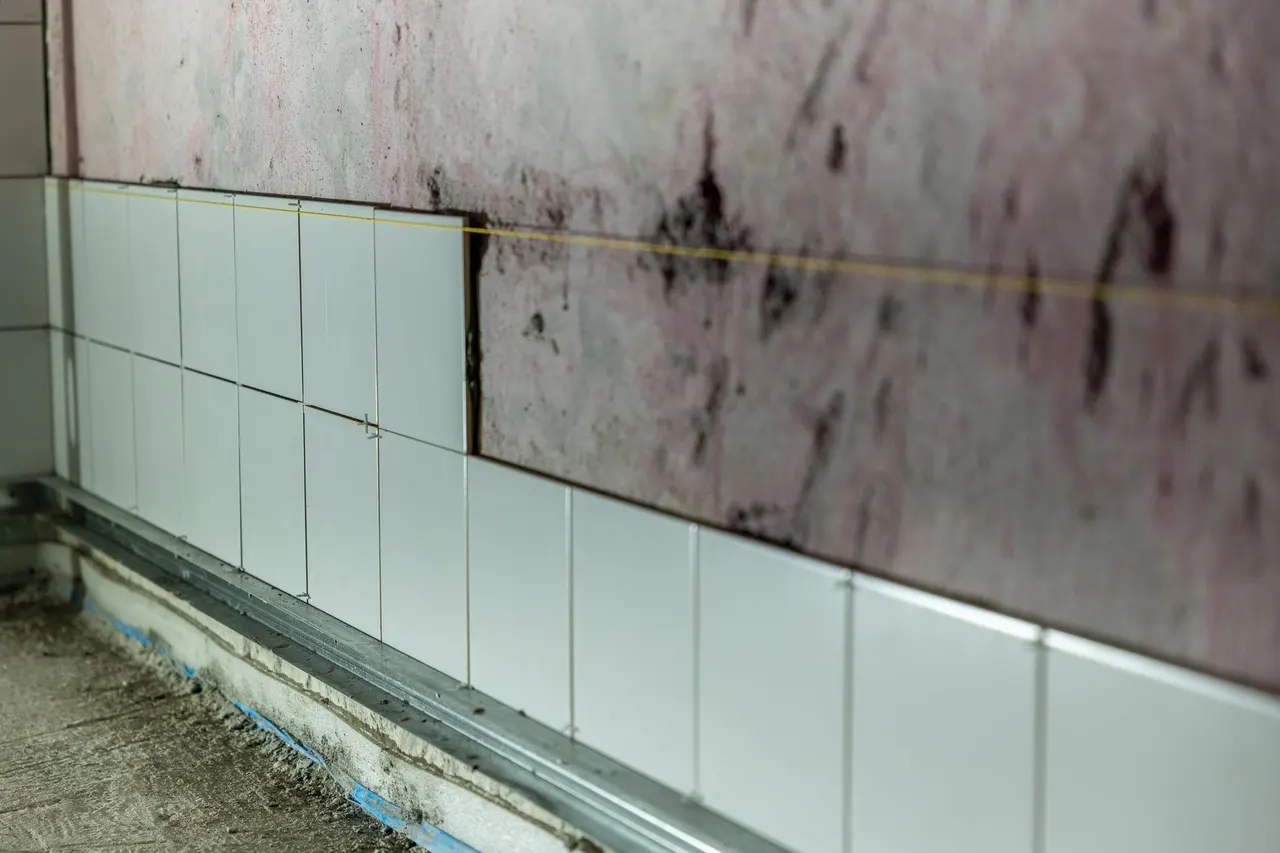
Crawl Space Mold Remediation in Annapolis starts with finding why the wood is wet, not just spraying bleach on it. We pull moisture readings, run a boroscope inspection camera through the joists, and build a containment before anyone touches the mold. If you have musty odors in summer or black mold in crawl space removal Annapolis MD, we handle the removal, the antimicrobial treatment, and the vapor barrier that keeps it from coming back.
Service overview
What Crawl Space Mold Remediation in Annapolis Actually Involves
Crawl Space Mold Remediation in Annapolis is the contained removal of mold growth from joists, subfloor, insulation, and ductwork in the space under your house, followed by drying and moisture control so it does not return. Mold needs three things: a food source (wood framing, paper-facing insulation, dust), a temperature above roughly 40 degrees, and moisture above 60 percent relative humidity. Annapolis crawl spaces supply all three most of the year. We remove the growth, treat the framing, and correct the water source.
Anne Arundel County sits on clay-heavy soil and a high water table, so groundwater wicking through block foundations is the most common cause we find in Annapolis crawl space mold remediation calls. Add our humid summers and a 2026 storm season that dumps two inches in an hour, and a crawl space with a failed vapor barrier turns into a mold factory fast. If you are searching crawl space mold treatment near me Annapolis, the fix is moisture control, not a spray can.
Practical benefits
Why Annapolis Homeowners Fix the Crawl Space First
Mold in the crawl space does not stay in the crawl space. It rides the stack effect upward into your living room, your HVAC supply, and your lungs. Here is what changes when the job is done right.
Air You Can Breathe
Crawl space mold cleanup Annapolis Maryland crews perform removes the spore source feeding your indoor air. We run a HEPA vacuum and air scrubber with HEPA filters through the whole space, then verify with post-remediation air sampling. Families with asthma or allergies notice the difference within days, not months.
Musty Odors Gone
That damp basement smell is microbial volatile compounds off-gassing from active growth. Killing the colony stops the smell at the source. We treat framing with antimicrobial spray and a mold remediation encapsulant, so the odor does not come back the next time humidity climbs in July.
Structural Wood Protected
Mold digests the cellulose in framing lumber. Left alone for years, joists and subfloor lose load capacity. Removing growth early and drying the wood below 16 percent moisture content with a dehumidifier and Dri-Eaz drying equipment protects the structure you already paid for.
Lower Energy Bills
A wet crawl space pulls heat out of your floors and pushes your HVAC harder. Sealing and drying the space with a proper vapor barrier typically trims 10 to 15 percent off winter heating costs in Annapolis homes, and it stops HVAC condensation mold from forming on cold duct runs.
How service works
Our Crawl Space Mold Remediation Process
Five steps, in order, every job. No skipping containment, no spraying over active growth, no leaving without a moisture reading that proves the space is dry.
STEP 01
Inspection and Testing
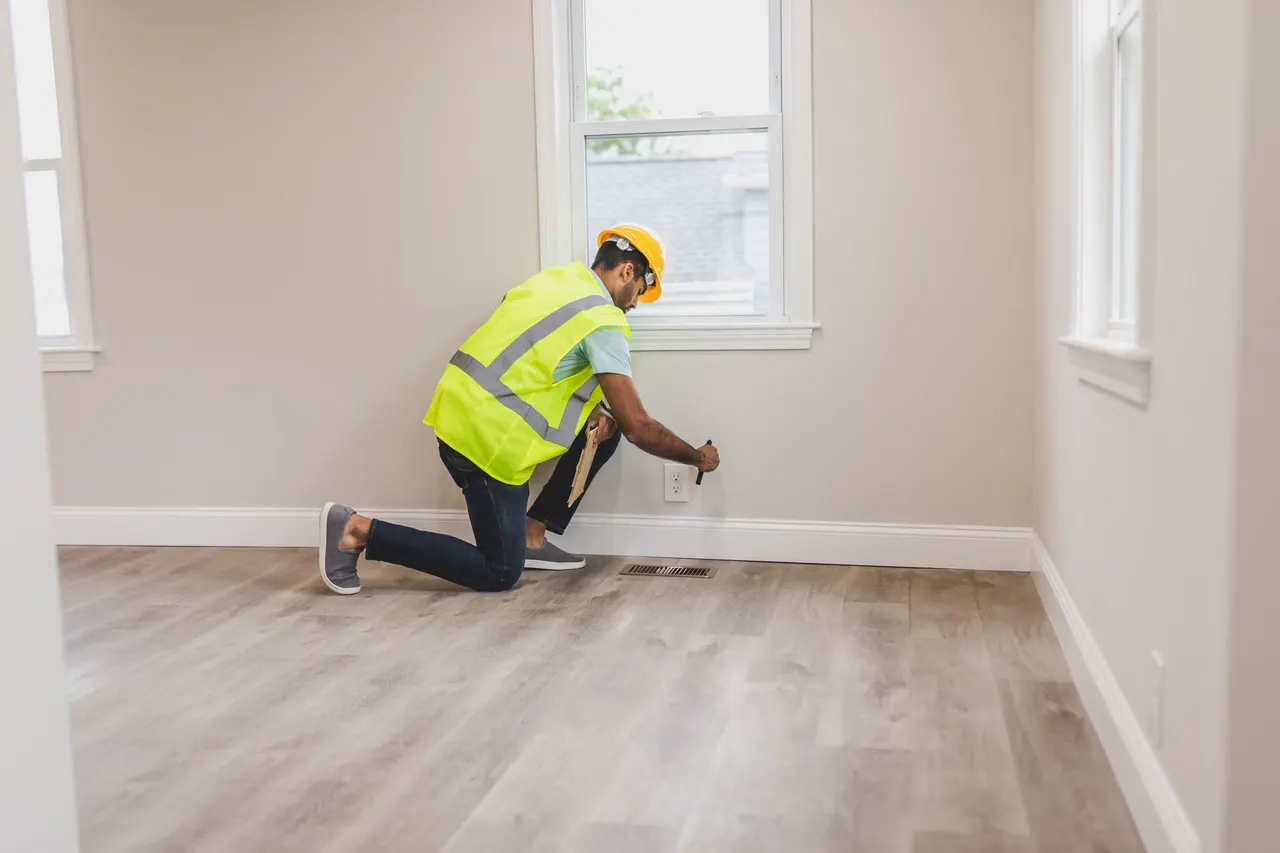
We start with a moisture meter and thermal imaging camera to map wet zones, then run a boroscope inspection camera into wall cavities and joist bays. Air samples go to a third-party lab. You get a written scope with readings, photos, and the mold genus identified, usually within 24 hours of the call.
Tools and methods
Tools and Methods We Use
Moisture meter
Reads moisture content in framing and subfloor at every joist bay. We use it to map wet zones before containment and to verify drying is complete before we remove equipment.
Thermal imaging camera
Finds hidden moisture behind foundation walls and under insulation that a visual inspection would miss. Essential for tracking groundwater paths in block foundations.
Boroscope inspection camera
Slides into wall cavities and joist bays to inspect areas too tight to reach. We use it to confirm mold growth depth before quoting removal.
HEPA vacuum
Removes settled spores from framing, ducts, and surfaces without re-releasing them into the air. Every surface gets HEPA vacuuming before any wet treatment.
Air scrubber with HEPA filters
Runs continuously during remediation to capture airborne spores. Paired with a negative air machine to keep the crawl space under negative pressure.
Dri-Eaz and Phoenix Restoration Equipment dehumidifiers
Pull moisture out of framing and air until readings drop below 16 percent. Typical run time is 24 to 72 hours depending on saturation.
Fogger
Applies Benefect or Concrobium as a fine mist that reaches into wood grain and tight cavities where sprayers cannot. Used after physical removal is complete.
ANSI/IICRC S520 Standard
The industry standard for mold remediation that governs containment, removal, cleaning, and clearance testing. Following it means your job is documented the same way an insurance adjuster expects to see it.
Negative air containment
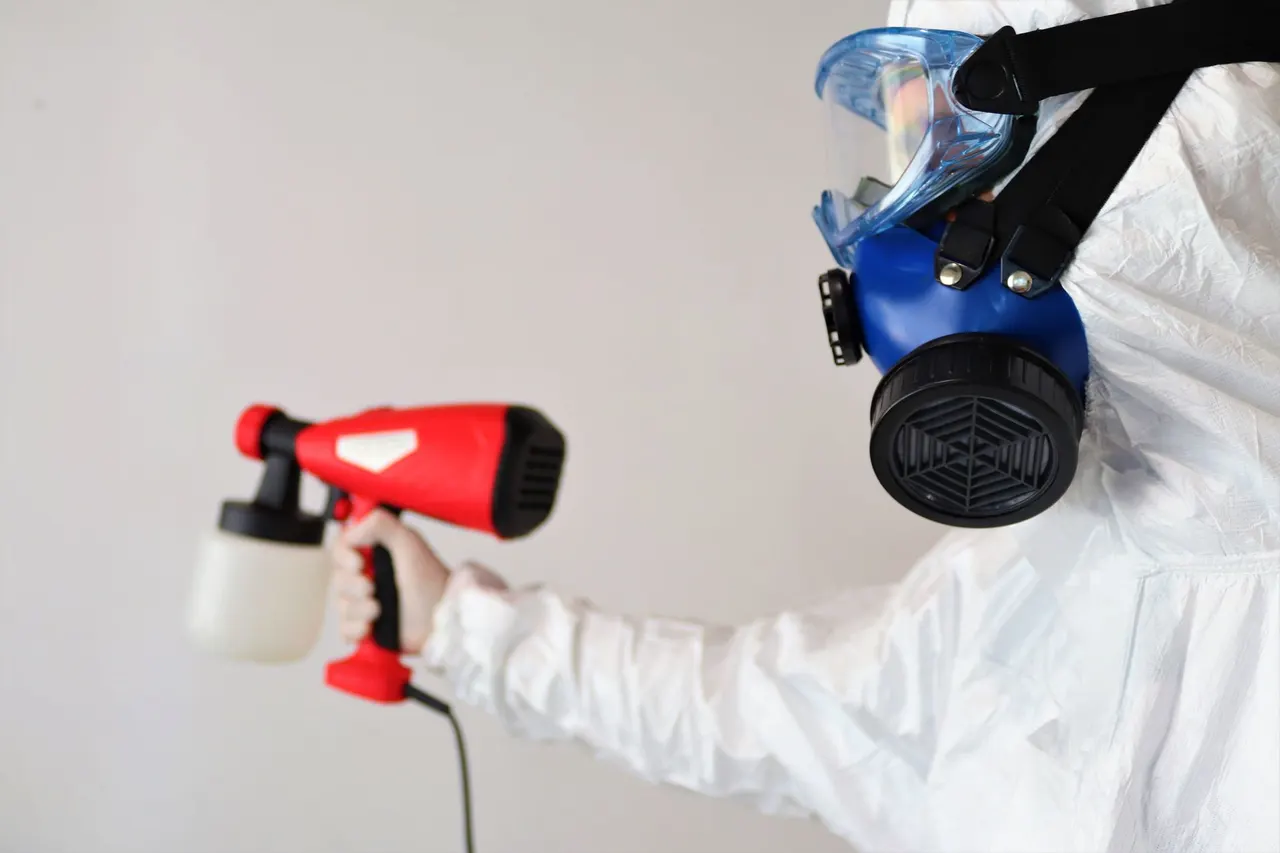
Plastic sheeting containment at the crawl space access and HVAC penetrations, with a negative air machine pulling air out through HEPA filters. This keeps spores from migrating into your living space during the work.
Antimicrobial treatment with encapsulant
After physical removal, we fog with an EPA-registered antimicrobial, then coat framing with a mold remediation encapsulant. The encapsulant seals wood fibers so any remaining spores cannot access moisture or a food source.
Third-party clearance testing
An independent lab reads air samples before and after remediation. You get both reports. If post-remediation samples fail, we re-clean at no charge until they pass.
Where this service fits
When to Call for Crawl Space Mold Remediation
You smell a musty odor in the house every summer, strongest in rooms above the crawl space.
We inspect the crawl space with a moisture meter and thermal imaging camera, take air samples, and identify the mold genus. If growth is active, we build containment and remediate the same week. Odor source removed, clearance samples clean, and a moisture control plan in place so the smell does not return next July.
A pipe burst or a sump pump failed and the crawl space flooded two weeks ago.
We extract standing water, remove saturated insulation, HEPA vacuum and treat all framing, then run dehumidifiers until moisture content drops below 16 percent. Same-day crawl space mold cleanup Annapolis MD scheduling is available for flood events. Mold stopped before it spreads to the subfloor, and you have documentation for an insurance claim if you file one.
You are buying a house in Downtown Annapolis and the inspection report flags mold in the crawl space.
We provide a written remediation scope with photos and lab results the buyer and seller can both use in negotiation. Work can be scheduled around closing timelines. A clear scope, a fixed price, and a post-remediation clearance report that satisfies lenders and realtors.
Your crawl space has visible black mold on the joists and you are worried about health effects.
We test first to confirm the genus, then upgrade containment and use stricter protocols if Stachybotrys is present. Black mold in crawl space removal Annapolis MD jobs follow the ANSI/IICRC S520 Standard for toxigenic species. Confirmed removal with third-party clearance testing, plus a written report you can share with your doctor or allergist.
Local execution
How Crawl Space Mold Remediation Runs in Annapolis
Annapolis sits on clay soil with a high water table, and our summers push relative humidity above 75 percent for weeks at a time. That combination means crawl spaces here stay wet longer than in most of Maryland. Downtown Annapolis and the Historic District have the toughest housing stock: 100-year-old homes with original dirt floors, stone foundations, and crawl spaces that were never designed for modern moisture control. We see groundwater wicking, failed vapor barriers, and disconnected downspouts on nearly every job. Winter is actually our busiest season for inspections because heating season dries the air, moisture readings stabilize, and hidden leaks show up clearly. If you are searching crawl space mold remediation Annapolis MD near me in November or December, that timing is not a coincidence. We work all four seasons and schedule around weather so drying equipment is not fighting a rainstorm.
Downtown Annapolis
Older homes with stone foundations and dirt-floor crawl spaces. Groundwater wicking is common and vapor barriers are often missing or original.
Historic District
Pre-1900 housing stock with tight crawl space access. We use compact equipment and boroscope cameras to work in spaces other crews cannot enter.
Eastport
Waterfront proximity means higher water tables. Sump systems and interior drainage are frequently part of the remediation scope here.
Murray Hill
Mix of older and mid-century homes. Roof leak mold running down chimney chases is a recurring call in this neighborhood.
West Annapolis
Post-war homes with block foundations. Failed vapor barriers and disconnected downspouts are the two most common moisture sources we find.
Clay-heavy soil and high water table in Anne Arundel County
Groundwater pushes against foundation walls for days after rain, keeping crawl space humidity elevated and feeding mold growth even when no leak is visible.
Humid summers with relative humidity above 75 percent
Vented crawl spaces pull in moist outside air all summer, condensing on cool framing and ductwork. This is why we often recommend sealing vents and conditioning the space instead of leaving it open.
Aging housing stock in Downtown and the Historic District
Original dirt floors, stone foundations, and no vapor barrier mean moisture control has to be built from scratch. We plan for this during the inspection so the scope is accurate.
Storm season with two-inch rain events
Heavy rain overwhelms grading and downspouts, sending water into crawl spaces within hours. We prioritize post-storm calls and can usually inspect within 24 hours.
Problems we solve
Crawl Space Problems We Solve in Annapolis
Most Annapolis crawl space mold calls trace back to one of four problems. We diagnose which one is yours during the inspection, then fix it as part of the remediation scope.
Groundwater wicking through block foundation walls
We install interior drainage and a sump system, seal the block with a masonry waterproofer, and lay a reinforced vapor barrier tied into the drainage. Framing dries below 16 percent and stays there, even through spring rains. Keeps framing above 20 percent moisture content year-round, feeding active mold growth and rotting joist ends from the inside out.
Failed or missing vapor barrier over dirt floor
We remove the old barrier, grade the dirt, and install a 12-mil reinforced vapor barrier with sealed seams and a mechanical fastening at the foundation wall. Relative humidity drops below 55 percent within a week. Bare dirt releases a gallon of water vapor per day into a 1,000 square foot crawl space, driving relative humidity above 80 percent and feeding mold on every wood surface.
Disconnected downspouts and poor exterior grading
We extend downspouts 6 to 10 feet from the foundation, regrade soil to slope away at 6 inches over 10 feet, and correct any low spots. This is often the cheapest fix with the biggest impact. Roof water dumps next to the foundation and finds its way into the crawl space, causing repeat mold growth after every heavy rain and undermining any remediation work.
HVAC condensation mold on cold duct runs
We remediate the affected duct insulation, seal and re-insulate the duct runs, and bring the crawl space under moisture control so ducts stop sweating. Air quality improves and HVAC efficiency goes up. Cold supply ducts in a humid crawl space sweat, drip onto insulation and framing, and grow mold along the entire run in a single cooling season.

A practical standard for every visit.
Clear planningPrepared arrivalsCareful workLocal follow-through
Experience in the details
Crawl Space Mold Experience You Can Verify
Mold Remediation Repair Pros has worked crawl spaces in Annapolis and Anne Arundel County since 2015, which puts us at 11 years in business as of 2026. Our crews hold IICRC Mold Remediation Certification and follow the ANSI/IICRC S520 Standard for mold remediation, the same standard insurance adjusters use to evaluate a claim. We carry a Maryland Home Improvement Commission License (MHIC) and EPA Lead-Safe Certification, which matters in pre-1978 homes where disturbing painted framing can release lead dust. Supervisors hold ACAC Certified Microbial Remediation Supervisor credentials and OSHA 30-Hour Construction training.
- IICRC Mold Remediation Certification on every crew lead who enters your crawl space
- ANSI/IICRC S520 Standard followed from containment through clearance testing
- EPA Lead-Safe Certification for pre-1978 Annapolis housing stock
- Maryland Home Improvement Commission License (MHIC) for all remediation work
- ACAC Certified Microbial Remediation Supervisor on staff for complex jobs
Where we work
One local team. A lot of ground covered.
Most Annapolis crawl space mold jobs run $1,800 to $6,500 in 2026, with the average around $3,200. Small, contained growth on a few joists sits at the low end. Full remediation plus vapor barrier and encapsulation on a 1,500 square foot crawl space lands at the top. Square footage, mold genus, how much insulation has to be replaced, and whether the moisture source needs repair drive the number.
Groundwater wicking through block foundations is the number one cause in Annapolis, followed by failed or missing vapor barriers, disconnected downspouts, and our humid summer air. Anne Arundel County's clay soil holds water against the foundation for days after rain. Any crawl space sitting above 60 percent relative humidity for a week will grow mold on wood framing.
In most Annapolis crawl spaces, yes. Removing mold without controlling moisture means it returns within one to two seasons. Encapsulation with a reinforced vapor barrier, sealed vents, and a dehumidifier keeps relative humidity under 55 percent year-round. We recommend it when readings show chronic moisture, and we skip it when the crawl space is genuinely dry and vented correctly.
It can be. Stachybotrys, the black mold people worry about, produces mycotoxins, and long-term exposure is linked to respiratory and neurological symptoms. Even common genera like Cladosporium and Penicillium trigger allergies and asthma in sensitive people. The stack effect pulls crawl space air into your living space, so the growth under your floor is in your breathing air.
Keep exploring
Related Services
Your next step is waiting
Schedule Crawl Space Mold Remediation in Annapolis Today
Mold doubles its footprint in about a week when moisture stays above 60 percent. Call us and we will get a technician into your crawl space, take real readings, and give you a written scope with a flat price. Licensed, insured, and IICRC-certified.
Start with the basics
Contact Our Annapolis Mold Team
Give us a call or send an email and we'll get back to you fast. We answer the phone 24/7 for emergencies and schedule free estimates within 24 hours for non-urgent work. If you're in ZIP code 21401, 21403, 21404, or 21411, we're already in your area.