Why does my Annapolis attic smell musty in summer?
That musty attic smell in summer is usually mold feeding on trapped humidity. Here's why Annapolis attics get it and how to fix it before fall.
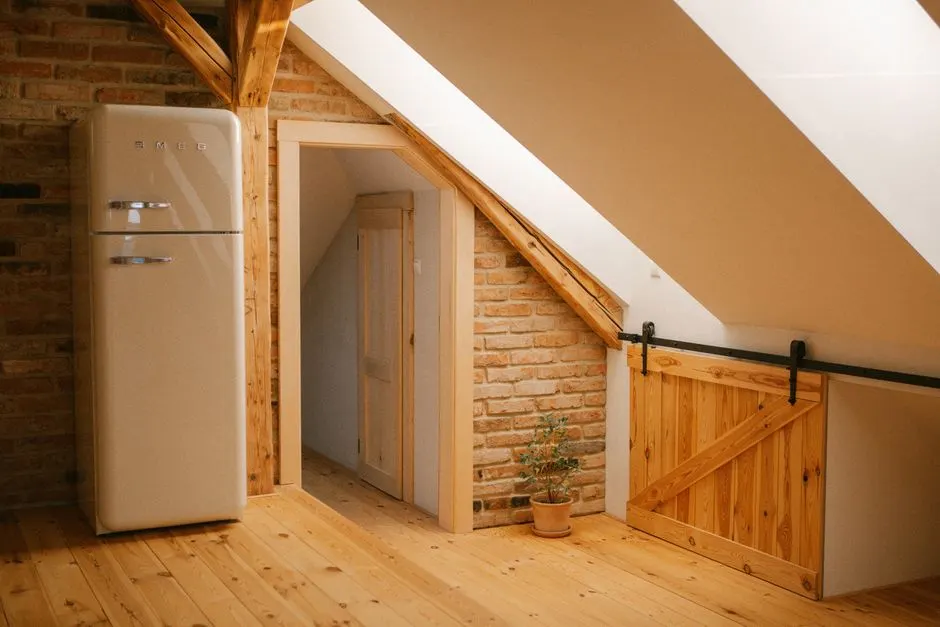
Your Annapolis attic smells musty in summer because hot, humid air is getting trapped up there and feeding mold growth on the roof deck, rafters, and insulation. The smell is the byproduct of active mold colonies, and it gets worse in July and August when attic temperatures climb past 130°F and relative humidity sits above 70%.
That is the whole answer. The rest of this post explains why it happens in Annapolis specifically, how to tell mold from ordinary stale air, what it costs to fix in 2026, and when to stop guessing and call someone.
The short answer: summer heat plus trapped moisture
Why does my Annapolis attic smell musty in summer is a question we hear from homeowners across the city every June through September, and the answer almost always comes down to one of two things: moisture getting in, or moisture not getting out.
Annapolis summers run humid. Dew points sit in the low 70s for weeks at a time, and that moisture finds its way into your attic through bathroom exhaust fans, kitchen vents, dryer ducts, and the stack effect pulling air upward from your living space. Once it is up there, it has nowhere to go unless your ventilation is doing its job.
Attic mold remediation is the process of removing active mold growth from attic surfaces, treating the affected wood, and correcting the moisture source so it does not return. It is not just spraying bleach and hoping for the best.
Why Annapolis attics are a magnet for summer mold
Annapolis sits on the Chesapeake Bay, and that geography matters. The Bay keeps humidity high from May through October, and the older housing stock in this city-especially the 1920s to 1960s homes near the water-was not built with modern attic ventilation in mind.
Three factors stack up against you:
- Bay humidity. Outdoor relative humidity in Annapolis averages 70-75% in July. Any of that air that enters your attic brings moisture with it.
- Roof deck temperature swings. On a sunny July afternoon, your roof deck can hit 140°F. When the sun goes down and the deck cools to 75°F, moisture condenses on the wood. That condensation is what mold feeds on.
- Undersized or blocked ventilation. Many Annapolis attics have one or two gable vents and nothing else. That is not enough airflow to dry out a 1,200-square-foot attic in August.
We see this pattern constantly in older neighborhoods, and it is one reason we get so many calls for Mold Remediation in Historic District homes where original roof framing and tight attic spaces make airflow a real challenge.
The five causes we find most often
When we inspect an Annapolis attic in summer, the musty smell almost always traces back to one of these five problems. Sometimes it is two or three at once.
1. Bathroom and kitchen exhaust venting into the attic
This is the number one cause we find. A bathroom fan that terminates in the attic instead of through the roof dumps a gallon of warm, moist air into that space every time someone showers. Over a summer, that is hundreds of gallons of water vapor sitting on your roof deck.
2. Roof leaks and flashing failures
A small leak around a chimney, vent pipe, or valley flashing lets water in every time it rains. You may never see a stain on your ceiling because the water is absorbed by insulation and framing before it gets that far. But the wood stays damp, and mold colonizes within 24 to 48 hours of consistent moisture.
3. Inadequate intake ventilation
Exhaust vents without matching intake vents create negative pressure. The attic pulls air from wherever it can-often from your living space through gaps around light fixtures and attic hatches. That air is conditioned and humid, and it condenses on cool attic surfaces at night.
4. HVAC duct leaks in the attic
If your air handler or ductwork runs through the attic, small leaks in the duct joints push cold air into a hot space. The temperature difference causes condensation on nearby wood and insulation. We find this in roughly one out of four attics we inspect in the Annapolis area.
5. Poor insulation and air sealing
Missing or compressed insulation allows warm, moist air from your living space to rise directly into the attic. Air sealing around penetrations-can lights, wiring holes, the attic hatch-is just as important as the insulation itself.
How to tell if it's mold or just stale air
A musty attic smell in Annapolis is not always mold, but it usually is. Here is how to tell the difference before you panic or ignore it.
Signs that point to mold rather than ordinary stale air:
- Dark staining or speckling on roof decking, rafters, or sheathing-especially black, gray, or greenish patches
- A smell that gets stronger on humid days and fades after a dry stretch
- Visible fuzzy growth on insulation facing or wood surfaces
- Musty odor that you can also detect in upstairs bedrooms or hallways
- Allergy-like symptoms that improve when you leave the house for a few days
If you see any of those, the next step is a proper mold inspection Annapolis MD to confirm what you are dealing with and how far it has spread. A visual check from the attic hatch is not enough-mold hides under insulation and behind knee walls.
How to get rid of musty attic smell in Annapolis Maryland
Fixing the smell means fixing the moisture. Here is the order we work in, and the order you should think about it too.
- Find and stop the moisture source. Re-route exhaust fans through the roof, repair flashing and roof leaks, seal duct joints. If you skip this step, mold comes back within a season.
- Remove the mold. Affected insulation gets bagged and removed. Wood surfaces get HEPA-vacuumed and treated with an EPA-registered antimicrobial. In severe cases, we remove and replace damaged sheathing.
- Dry the space. Commercial dehumidification brings attic moisture content down to safe levels before we close up.
- Fix ventilation. Add intake vents at the soffits, ensure exhaust vents at the ridge, and verify airflow is balanced. This is where most DIY attempts fall short.
- Air seal and insulate. Seal penetrations, then bring insulation up to current Maryland code for your climate zone.
For homes with chronic moisture problems that start below the attic-wet basements, crawl spaces pushing humidity upward-we also handle crawl space mold remediation Annapolis MD because the two problems are often connected.
Common mistakes that make attic mold worse
The wrong fix is often worse than no fix. Here is what we see homeowners do that backfires.
- Spraying bleach on the mold. Bleach kills surface mold on non-porous materials, but it does not penetrate wood, and the water in the bleach adds moisture. It also does nothing about the cause.
- Running a box fan in the attic. A fan moves air but does not remove moisture. In a humid Annapolis July, you are just circulating damp air across mold spores.
- Adding a powered attic fan without intake ventilation. This depressurizes the attic and pulls conditioned air from your house-making the humidity problem worse, not better.
- Ignoring a small roof leak. A leak the size of a quarter can feed mold across 20 square feet of sheathing in one summer.
- Encapsulating or painting over mold. Mold will grow through most paints and coatings within months if the moisture source is still active.
If you have already tried one of these and the smell is still there, that is a sign the underlying issue was never addressed.
When to call a professional
Call a professional when you can see mold growth covering more than about 10 square feet, when the smell returns after cleaning, or when you cannot find the moisture source yourself. Attic work is hot, cramped, and easy to get wrong.
Our team at Mold Remediation Repair Pros handles the full job: we find the moisture source, remove the mold, correct the ventilation, and verify the attic is dry before we leave. We serve homeowners across Annapolis and the surrounding Anne Arundel County area, and we work in attics, crawl spaces, and basements.
If your attic has been musty for more than a few weeks, or if you have seen dark staining on the roof deck, it is worth having someone look. Attic mold does not fix itself, and it does not stay in the attic-spores travel into your living space through the same gaps that let moisture up.
Frequently Asked Questions
Why does my attic smell musty in summer in Annapolis MD?
Because summer humidity combines with attic heat to create ideal mold conditions. Annapolis averages 70-75% outdoor relative humidity in July, and attics without proper ventilation trap that moisture against roof decking, where mold grows within 24-48 hours.
Is a musty attic smell always mold in Annapolis Maryland?
No, but it usually is. A musty smell in a humid Annapolis attic points to mold about 80% of the time. Other causes include rodent droppings, decaying insulation, or dead animals. A professional inspection confirms which one you have.
How do I fix attic humidity in Annapolis MD?
Fix the source first: re-route bathroom and kitchen exhaust fans through the roof, seal duct leaks, and repair roof leaks. Then balance ventilation with soffit intake and ridge exhaust. In most Annapolis attics, this brings humidity down to safe levels within a week.
Who should I call for attic mold in Annapolis Maryland?
Call a licensed mold remediation company, not a general handyman. Attic mold work requires containment, HEPA filtration, antimicrobial treatment, and moisture verification. We handle all of it and correct the ventilation problems that caused the mold in the first place.
How much does attic mold remediation cost in Annapolis MD?
Typical 2026 pricing in the Annapolis area runs $1,500 to $4,500 for most residential attics, depending on square footage and severity. Small, contained growth may run $800 to $1,500. Extensive mold with damaged sheathing can exceed $6,000.
Get help with Mold Remediation in Annapolis
If your Annapolis attic smells musty and you have not found the source, we can inspect it, identify the moisture problem, and remove the mold before it spreads into your living space. We offer Mold Remediation Annapolis MD with upfront pricing and no surprises.
Call us at 123456789 to schedule an attic inspection. We will tell you what we find, what it costs to fix, and how long it takes.